
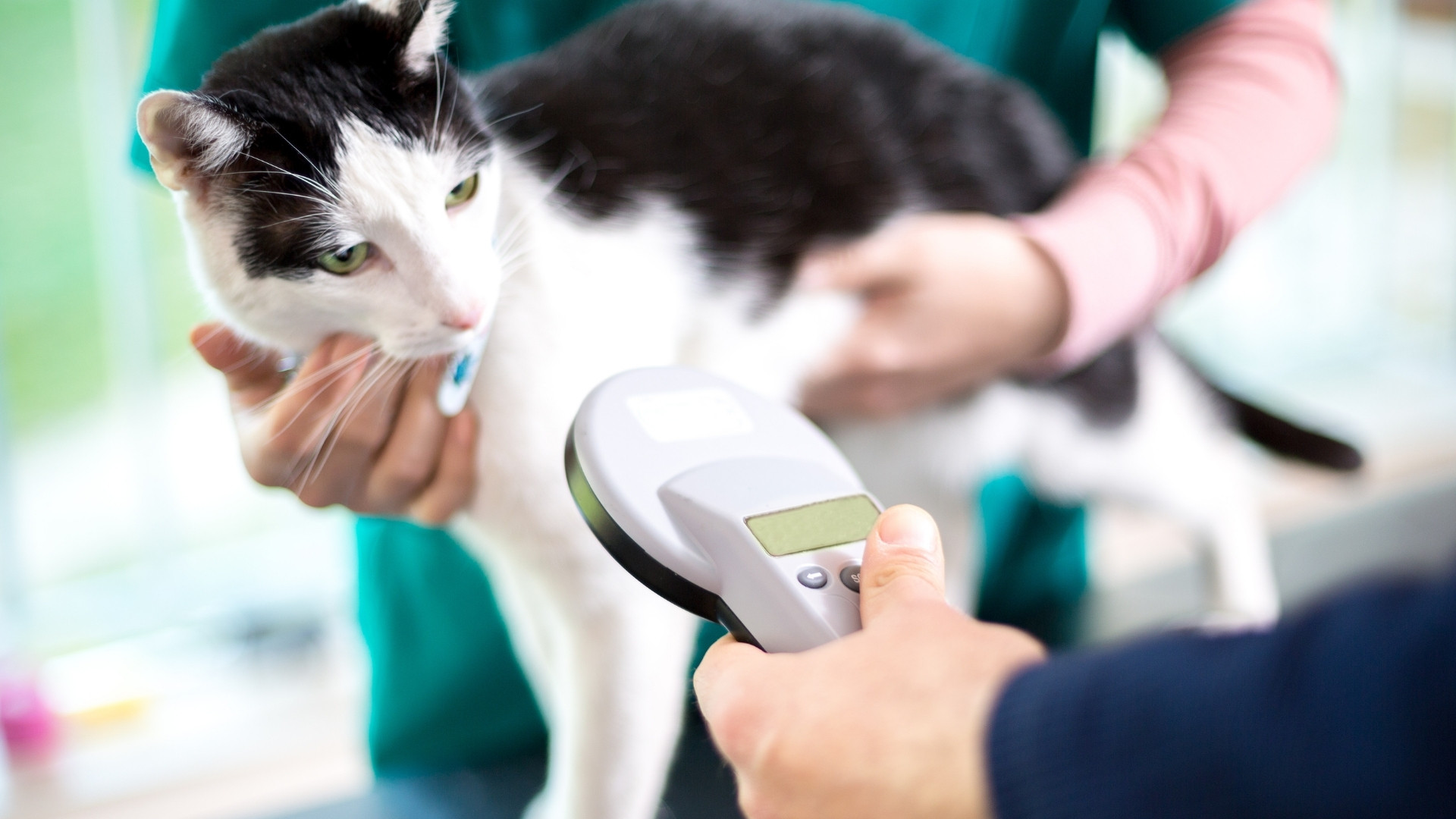
Pet Microchipping in Sweetwater, TX
Losing a beloved pet is every owner’s worst nightmare. At Sweetwater Veterinary Hospital, we offer safe, reliable pet microchipping to ensure your companion has the best chance of finding their way home if they ever get lost.
Permanent ID for Lifelong Protection
Collars and ID tags are helpful, but they can fall off or be removed. Microchips provide permanent identification that can’t be altered, lost, or damaged—giving you peace of mind knowing your pet is protected no matter where life takes them.
Microchipping is a quick, safe, and affordable way to dramatically increase the likelihood of a lost pet being reunited with their family. We offer this service as part of our commitment to responsible pet ownership and lifelong wellness.
How Pet Microchipping Works
A microchip is a tiny electronic device—about the size of a grain of rice—implanted just beneath the skin, usually between the shoulder blades. The procedure is similar to a vaccination and only takes a few seconds.
Each microchip contains a unique identification number that can be read with a handheld scanner. When a lost pet is brought into a veterinary hospital or animal shelter, staff can quickly scan the chip and access the owner’s contact information through a secure national database.
We also guide our clients through the registration process to ensure their pet’s microchip is linked to accurate, up-to-date contact information.
Why Microchipping Matters
Even the most careful pet parents can face unexpected situations—an open gate, a loose leash, or a startled pet darting out the door. When that happens, a microchip can be the difference between a joyful reunion and an uncertain outcome.
Consider these facts:
- One in three pets will become lost at some point in their lives.
- Only 22% of lost dogs without microchips are returned to their owners, compared to over 50% of those with microchips.
- Cats with microchips are over 20 times more likely to be returned home than those without.
Collars and tags are important but not foolproof. Together with a microchip, they form a powerful combination that greatly improves your pet’s safety.
Frequently Asked Questions
Does microchipping hurt my pet?
No. The microchip is implanted using a needle similar to a vaccination. It’s fast, safe, and most pets don’t react at all.
At what age should I microchip my pet?
Microchipping can be done at almost any age but is commonly performed during the first wellness visits or while a pet is being spayed or neutered.